GYNEQUIPE
Monday to Thursday18:00 - 22:00
AddressXenias 1 & Vassilissis Sofias, Ilisia
Anal wartsalso known as condyloma acuminata, are a common sexually transmitted disease (STD) caused by the human papillomavirus (HPV). Although often associated with genital warts in both men and women, anal warts specifically affect the area around and inside the anus.
Anal warts are mainly caused by certain strains of HPV, a virus that can be transmitted through sexual contact. HPV is highly contagious and the risk of developing anal warts increases with unprotected sexual activity. In women, anal warts can occur in both heterosexual and homosexual relationships. In addition, other factors such as a weakened immune system, a history of other STIs, or multiple sexual partners can increase the likelihood of developing anal warts.
Visible warts: The most common symptom of anal warts is the presence of small, flesh-colored or pink bumps around the anus. These bumps can appear singly or in groups and can range in size from tiny to several centimeters.
Itching and discomfort: Anal warts can cause itching, burning, or discomfort in the anal area, which can be especially bothersome during bowel movements.
Bleeding: Warts around the anus may bleed when irritated.
Mucus discharge: Some women with anal warts may experience a mucus-like discharge from the anus.
It is important to note that anal warts can be asymptomatic, meaning they may not cause any noticeable symptoms. Regular preventive medical check-ups are essential for early diagnosis.
Treatment of anal warts is vital to relieve symptoms, prevent complications and reduce the risk of transmission to sexual partners. Treatment options for anal warts in women include:
Topical medications: Prescription creams or solutions containing imiquimod or podophyllin can be applied to warts at home, following the instructions of a gynecologist.
Caustic methods: In the office, the gynecologist can apply techniques such as cryotherapy (freezing the warts), electrocautery (burning the warts), or laser therapy to remove the warts.
Surgical removal: Large or persistent warts may require surgical excision. This procedure is usually done under local anesthesia.
Prevention of anal warts in women mainly involves practicing safe sex and reducing the risk of HPV infection:
Vaccination: The HPV vaccine is highly effective in preventing many high-risk strains of HPV, including those responsible for anal warts. Vaccination is recommended for girls and boys from the beginning of puberty.
Safe sex: Consistent use of latex or polyurethane condoms during sexual activity can reduce the risk of HPV transmission, although it does not eliminate it completely.
Limit sexual partners: Reducing the number of sexual partners and choosing partners who have been vaccinated against HPV can reduce the risk of infection.
Regular checkups: Regular gynecological checkups can help detect anal warts and other STDs early. Women who have anal warts or are at high risk should discuss screening options for anal cancer with their gynecologist.

without stress and full of confidence during this special time

Minimally invasive surgery

One day diagnosis and treatment. (No touch, Diagnostic and Operative Hysteroscopy)

Personalized choice of treatment.
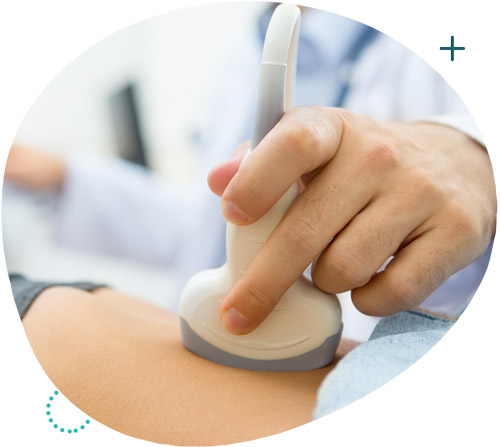
Gynaecological and obstetric scans (3D US, 4D US, Doppler US)

Urinary incontinence and pelvic prolapse treatment.

Prevention and treatment of gynaecological cancers. (International Guidelines)

Our services
Affiliated Hospitals
Affiliated Institutions
Office Hours
© Copyright 2024 Gynequipe. All right reserved

