GYNEQUIPE
Monday to Thursday18:00 - 22:00
AddressXenias 1 & Vassilissis Sofias, Ilisia
Laparoscopy is a surgical method that has revolutionized the surgical treatment of gynecological pathology and beyond.
It is a minimally invasive method, with which almost all gynecological operations can now be performed by specialized gynecologists, avoiding “opening” the abdomen.
The main advantages over classic “open” surgery are the reduction of morbidity, less blood loss, faster recovery, less post-operative pain, lower rate of surgical wound infections, lower rate of post-operative adhesions, better aesthetic result.
The most common operations in gynecology are:
Most of the time (it depends on the complexity of the surgery), 4 holes in the abdomen are enough to do the surgery. One at the level of the ombilicus of 10mm and three lower, just above the pubic bone, of 5mm each.
The abdomen is “inflated” from the ombilicus with air (carbon dioxide) and with a specially designed camera, we can see its interior on a screen.
Then with special tools we can reproduce all the movements we would do in an “open” surgery. At the end of the operation, we deflate the abdomen and withdraw the instruments.
The entire procedure is performed under general anesthesia and requires a specially designed space and trained nursing staff.
Robotics is also an evolution of laparoscopic surgery, which offers greater comfort to the surgeon’s movements, but at much higher financial costs.
After a laparoscopic surgery, the patient can get out of bed the same day, eat lightly, and most of the time she is discharged the day after the surgery.
A common discomfort postoperatively, but not systematically, is slight pain in the shoulders and a feeling of bloating, fullness or heaviness in the abdomen. This is due to the carbon dioxide we use to “inflate” the belly, it is insignificant and usually does not last more than 24-48 hours, as this is how long it takes for it to be absorbed by the body.
In general, after a laparoscopy, the patient can return to her daily life without any particular problems after 48 hours. The patient is rapidly fed, while simple oral painkillers are enough in case of pain.
The wounds on the skin are very small (5-10 mm) and the risk of them opening with movements is negligible.
Sexual intercourse is generally allowed after 10 days unless the attending physician has indicated otherwise (6-8 weeks after total hysterectomy).
As for the menstruations, they are not affected by the technique of the operation but by the type of operation performed, such as an ovarian cyst removal. In any case, however, the menstruations return to normal (except, of course, if the uterus is removed) and the woman can quickly start trying to get pregnant. However, in case of laparoscopic enucleation (removal) of fibroids, the healing time is longer and the patient should follow the gynecologist’s instructions on when she can start trying to get pregnant.
The patient’s weight is in no case affected after the laparoscopy.
Laparoscopy is a modern and safe surgical method that should not be scary if it is applied by specialized gynecologists.
It combines the same good surgical results (perhaps even better in some cases) with an incomparably better postoperative course compared to “open” surgery.


Covering every aspect of a woman’s life

without stress and full of confidence during this special time

One day diagnosis and treatment. (No touch, Diagnostic and Operative Hysteroscopy)
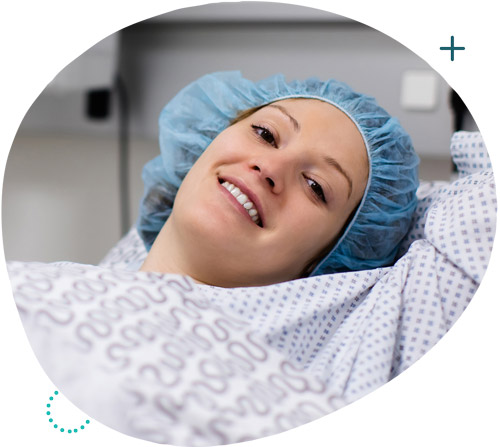
Personalized choice of treatment.
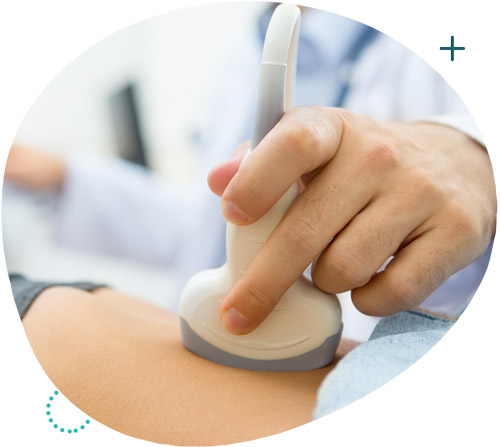
Gynaecological and obstetric scans (3D US, 4D US, Doppler US)

Urinary incontinence and pelvic prolapse treatment.

Prevention and treatment of gynaecological cancers. (International Guidelines)

Our services
Affiliated Hospitals
Affiliated Institutions
Office Hours
© Copyright 2024 Gynequipe. All right reserved

