GYNEQUIPE
Monday to Thursday18:00 - 22:00
AddressXenias 1 & Vassilissis Sofias, Ilisia
Endometriosis is a hormone-dependent (on a woman’s natural estrogen) benign medical condition.
It is a “misunderstood” pathology, whose symptoms and frequency are generally underestimated.
The average time between the appearance of symptoms and the first visit to the gynecologist is 4 years, with another 4 years waiting until the final diagnosis.
It is estimated that around 10 to 20% of women of reproductive age suffer from endometriosis. However, this does not mean that all these women have symptoms.
These are mainly pelvic pains, dysmenorrhea (increased pains during periods), dyspareunia (pains during sexual intercourse), dyschesia (pains during defecation), infertility and in more severe cases hematuria (blood in the urine), blood in the stool and more rarely hemoptysis, pneumothorax etc.
The symptoms of endometriosis are heterogeneous and are not necessarily related to the extent of the lesions. This means that women with few lesions may have severe symptoms and vice versa.
Of all women with endometriosis, 60% of them suffer from pelvic pain, of varying intensity and frequency, while 30% have reduced fertility.
Pain can range from occasional and unpredictable discomfort that subsides with simple painkillers, to daily pain that seriously affects a woman’s quality of life.
Although with a detailed and targeted history, the gynecologist suspects the existence of endometriosis, detection with imaging tests, such as ultrasound and MRI, are necessary to confirm the diagnosis. If even with these tests we cannot have a clear diagnosis, then laparoscopy is recommended, which will resolve any doubt, since it is also the “gold standard” for the final diagnosis. Laparoscopy, in addition to diagnosis, allows us to remove any endometriosis spots or nodules that we find at the same surgical time.
If bowel endometriosis is suspected, then a double-contrast barium enema (x-ray examination of the bowel) or even a colonoscopy may be needed.
Various theories have been formulated for the etiology of endometriosis, with one of the most prevalent being the implantation theory, although in recent years it has been challenged by other, more complex theories.
According to that, cells of the inner cavity of the uterus (endometrium), during the period, flow backwards and through the fallopian tubes of the uterus, implant in the peritoneal cavity (interior of the abdomen).
This implantation causes an inflammatory reaction inside the abdomen, which in turn creates pain and adhesions, resulting in long-term infertility.
The organs affected are the uterus, fallopian tubes, ovaries
(“chocolate” cysts), the intestine, the appendix, the bladder, the ureters, the diaphragm, etc.
Theoretically, at the age of menopause, the symptoms of endometriosis stop as the woman’s period also stops, due to the cessation of the production of the woman’s natural estrogen.
Sometimes, however, because the damage can be significant, the pain in particular persists for a longer period of time.
In women of reproductive age, the treatment can be conservative, with drugs, and/or with surgery.
The medical treatment is hormonal, eg contraceptives or a preparation containing progesterone. But usually it is not enough except in mild cases.
Surgical treatment is now performed almost exclusively with laparoscopy, thus avoiding multi-day hospitalizations (1-2 days) and greatly improving postoperative recovery.
In mild cases, local excision or cauterization of the lesions is sufficient. In more severe cases where there is involvement of the urinary system or bowel, more extensive surgeries are necessary such as removing part of the bowel, bladder or ureter. In these special cases, the collaboration of a team of gynecologists, urologists and general surgeons is essential.
In any case, however, the treatment is individualized and adapted according to the symptoms, the age of the patient, the desire to have children and the extent of the damage.


Covering every aspect of a woman’s life
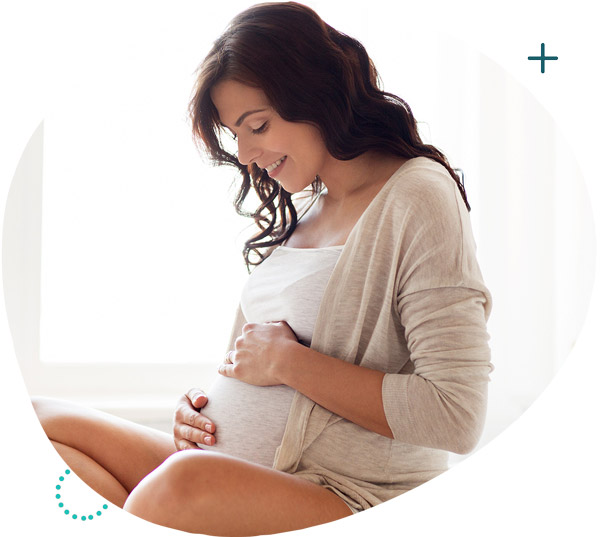
without stress and full of confidence during this special time

Minimally invasive surgery

One day diagnosis and treatment. (No touch, Diagnostic and Operative Hysteroscopy)
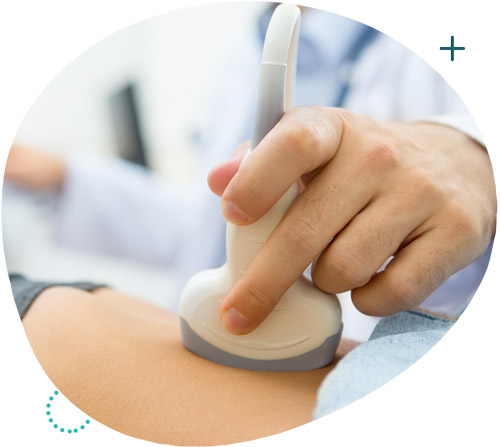
Gynaecological and obstetric scans (3D US, 4D US, Doppler US)

Urinary incontinence and pelvic prolapse treatment.

Prevention and treatment of gynaecological cancers. (International Guidelines)

Our services
Affiliated Hospitals
Affiliated Institutions
Office Hours
© Copyright 2024 Gynequipe. All right reserved

