GYNEQUIPE
Monday to Thursday18:00 - 22:00
AddressXenias 1 & Vassilissis Sofias, Ilisia
A miscarriage is the spontaneous termination of pregnancy and is the most common complication of pregnancy in the first trimester.
Its frequency up to 20 weeks of the first pregnancy is estimated from 8 to 20%, while it decreases to 5% in women who already have a child.
It also drops dramatically after 15 weeks (0.6%).
The risk factors of retrograde pregnancy are mainly the advanced age of the woman, history, smoking, alcohol.
Indicatively, the risk for a 35-year-old woman can reach 20%, a 40-year-old woman 40%, while it can reach up to 80% in a 45-year-old woman.
Up to 50% of these miscarriages are due to chromosomal abnormalities of the fetus, which prevent the pregnancy from continuing.
The rest is due to anatomical anomalies of the uterus (mainly the presence of a diaphragm), infection of the fetus (e.g. Listeria), some disorder in the coagulation factors (thrombophilia after 10 weeks), an undiagnosed endocrinopathy of the mother (e.g. thyroid disease), or even for inexplicable reasons.
A miscarriage may show no symptoms, or it may present with vaginal bleeding and lower abdominal pain.
The diagnosis is made ultrasound and laboratory, by measuring beta chorionic gonadotropin, the main pregnancy hormone.
In these cases, we have an interruption of the heart function of the fetus, which is accompanied by a drop in β chorionic gonadotropin levels.
Sometimes, when we are in a very early pregnancy, the differential diagnosis with an ectopic pregnancy can be difficult, since the fetus cannot be visualized by ultrasound. In these cases, monitoring usually provides the solution.
Because of the bleeding, the preganancy is either completely or partially expelled, so a curettage is needed under general anesthesia to “clean” the inside of the uterus and stop the bleeding, which can be severe. It is a common surgery that is performed with a one-day hospital stay and should not scare patients.
In some cases of incomplete abortion, the same procedure can be done with medication (misoprostol).


Covering every aspect of a woman’s life

without stress and full of confidence during this special time

Minimally invasive surgery

One day diagnosis and treatment. (No touch, Diagnostic and Operative Hysteroscopy)
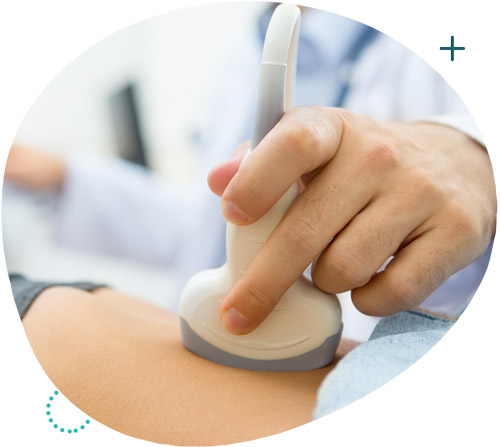
Gynaecological and obstetric scans (3D US, 4D US, Doppler US)

Urinary incontinence and pelvic prolapse treatment.

Prevention and treatment of gynaecological cancers. (International Guidelines)

Our services
Affiliated Hospitals
Affiliated Institutions
Office Hours
© Copyright 2024 Gynequipe. All right reserved

