GYNEQUIPE
Monday to Thursday18:00 - 22:00
AddressXenias 1 & Vassilissis Sofias, Ilisia
Infection with the rubella virus is considered one of the most serious during pregnancy, as in case of infection of the fetus there is a high possibility of serious problems (anatomical abnormalities, deafness, blindness, mental retardation, etc.).
The earlier in pregnancy this infection occurs, the more serious damage occurs to the fetus and the gynecologist usually recommends termination of pregnancy (1st trimester). In more advanced pregnancy, prenatal testing is possible and is individualized on a case-by-case basis.
Fortunately, however, the vast majority of women are now immunized (that is, they have antibodies), thanks to systematic vaccination in childhood. Thus, when they become pregnant, the fetus is effectively protected by the mother’s antibodies.
Nevertheless, up to 10% of women of reproductive age (perhaps even more) do not have antibodies, either due to insufficient immunization or due to non-systematic vaccination.
n these cases, the classic rules of hygiene during pregnancy and avoiding contact with children who are sick are imposed. Serological testing (ie blood tests to look for prime-infection) is regular, about once a month, and after delivery, vaccination of the mother is recommended.

Covering every aspect of a woman’s life

Minimally invasive surgery

One day diagnosis and treatment. (No touch, Diagnostic and Operative Hysteroscopy)

Personalized choice of treatment.
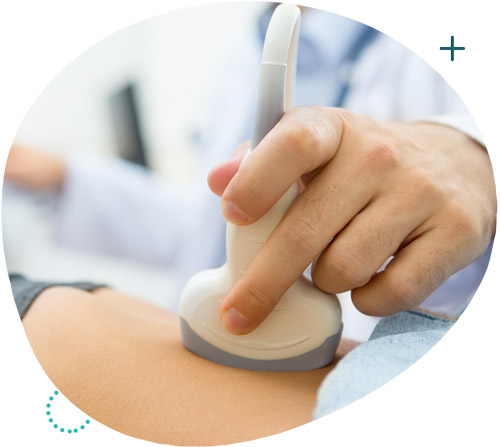
Gynaecological and obstetric scans (3D US, 4D US, Doppler US)

Urinary incontinence and pelvic prolapse treatment.

Prevention and treatment of gynaecological cancers. (International Guidelines)

Our services
Affiliated Hospitals
Affiliated Institutions
Office Hours
© Copyright 2024 Gynequipe. All right reserved

