GYNEQUIPE
Monday to Thursday18:00 - 22:00
AddressXenias 1 & Vassilissis Sofias, Ilisia
Pregnancy is a special and delicate period in a woman’s life, full of excitement and anticipation. Ensuring a healthy and safe pregnancy is a top priority for both mother and baby.
It is important to know the dos and don’ts during pregnancy.
Prenatal care: Schedule regular checkups with a gynecologist as soon as you suspect you are pregnant. Prenatal care is vital for monitoring the health of both you and your baby.
Healthy diet: Eat a well-balanced diet rich in fruits, vegetables, whole grains, lean proteins and dairy products. Adequate nutrition without extreme dietary restrictions is vital for the baby’s development.
Hydration: Stay well hydrated by drinking plenty of water throughout the day. Dehydration can lead to complications such as premature birth.
Folic acid: Take a prenatal vitamin or folic acid supplement as recommended by your gynecologist. Folic acid reduces the risk of birth defects in the baby’s brain and spine.
Omega-3 fats: The daily intake of omega-3 fatty preparations contributes to the good development of the baby’s brain.
Regular exercise: Engage in safe and moderate physical activity with your doctor’s approval. Exercise helps relieve common pregnancy discomforts and promotes overall health.
Adequate rest: Get enough sleep and rest as needed. Pregnancy can be tiring and getting enough rest helps with physical and emotional well-being.
Stress management: Find healthy ways to manage stress, such as yoga, meditation or relaxation techniques. High levels of stress can negatively affect pregnancy.
Educate yourself: Learn about the stages of pregnancy, labor and newborn care. Take prenatal classes to prepare for childbirth and parenthood.
Stay up-to-date: Stay up-to-date on vaccinations recommended during pregnancy, such as the flu shot and the Tdap (tetanus, diphtheria, and pertussis) vaccine.
Kegel exercises: Do Kegel exercises to strengthen your pelvic floor muscles, which can help with labor and postpartum recovery.
Avoid alcohol: Avoid drinking alcohol during pregnancy as it can harm the baby and lead to impaired physical and mental development.
Quit smoking: Stop smoking and avoid exposure to secondhand smoke. Smoking is linked to premature birth, low birth weight and other complications.
Limit caffeine: Limit caffeine intake to 200-300 milligrams per day, as too much caffeine can increase the risk of miscarriage and low birth weight.
Say no to drugs: Avoid drugs as they can cause serious harm to the baby’s growth and health.
Avoid raw or undercooked food: Stay away from raw or undercooked seafood, eggs and meat as they can carry harmful bacteria like salmonella, listeria, toxoplasma.
Beware of fish consumption: Limit the consumption of fish with a high mercury content such as shark, swordfish, mackerel, tilefish, grouper as mercury can damage the baby’s nervous system.
Be careful with medications: Consult your gynecologist before taking any over-the-counter medications, as some may harm the baby.
Avoid hot tubs and saunas: Prolonged exposure to high temperatures, such as hot tubs and saunas, can raise your body temperature, potentially causing birth defects.
Avoid certain activities: Avoid activities with a high risk of falling or injury, such as contact sports or extreme sports.
Don’t skip meals: Keep regular meal times and avoid skipping meals, as low blood sugar can lead to dizziness and fainting.

Covering every aspect of a woman’s life

Minimally invasive surgery

One day diagnosis and treatment. (No touch, Diagnostic and Operative Hysteroscopy)

Personalized choice of treatment.
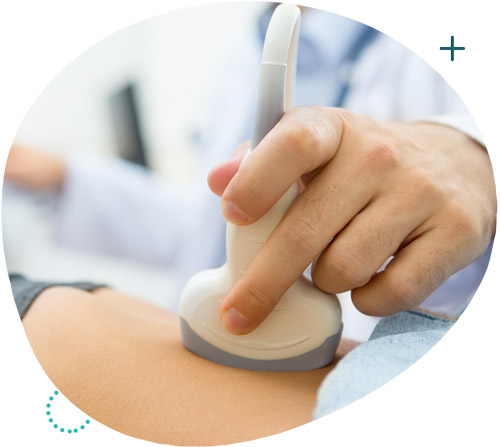
Gynaecological and obstetric scans (3D US, 4D US, Doppler US)

Urinary incontinence and pelvic prolapse treatment.

Prevention and treatment of gynaecological cancers. (International Guidelines)

Our services
Affiliated Hospitals
Affiliated Institutions
Office Hours
© Copyright 2024 Gynequipe. All right reserved

