GYNEQUIPE
Monday to Thursday18:00 - 22:00
AddressXenias 1 & Vassilissis Sofias, Ilisia
Pregnancy and menstruation are two fundamental aspects of a woman’s reproductive health. Although they may seem mutually exclusive, a deeper understanding of their relationship can shed light on various aspects of women’s health and fertility.
Menstruation, commonly referred to as a woman’s “period,” is a natural, cyclical process that occurs in most women of reproductive age. It is characterized by the shedding of the lining of the uterus, resulting in the discharge of blood and other tissues from the vagina. Menstruation usually lasts for a few days, although the length and flow can vary from woman to woman.
The menstrual cycle is a complex, orchestrated sequence of events that prepares a woman’s body for possible pregnancy. It lasts, on average, about 28 days, although variations are common. The main phases of the menstrual cycle include:
Menstrual Phase: This is the bleeding phase, where the lining of the uterus is shed. It usually takes 3-7 days.
Follicular phase: After menstruation, the body begins to produce hormones such as estrogen, stimulating the growth of follicles in the ovaries. One of these follicles will eventually release an egg.
Ovulation: Around mid-cycle, a surge in luteinizing hormone (LH) triggers the release of a mature egg from one of the ovaries. This is known as ovulation and is a critical window for conception.
Luteal Phase: After ovulation, the empty follicle turns into a corpus luteum, producing progesterone. This hormone prepares the lining of the uterus for possible implantation of a fertilized egg.
Pregnancy occurs when a sperm fertilizes an egg, resulting in the formation of a zygote. This fertilized egg then travels through the fallopian tube and eventually implants in the thick lining of the uterus. Pregnancy is characterized by cessation of menstruation due to hormonal changes and specifically increased levels of human chorionic gonadotropin (hCG).
Absence of menstruation: One of the first signs of pregnancy is the loss of periods. This is because hCG inhibits the release of eggs and the shedding of the lining of the uterus during pregnancy.
Implantation bleeding: Some women experience light bleeding or spotting during implantation. This can be mistaken for a period, but is usually lighter and shorter in duration.
Menstrual-like symptoms: Early pregnancy can sometimes cause symptoms similar to those experienced during menstruation, such as abdominal cramps and breast tenderness. These symptoms can be misleading.
Periods during pregnancy: While some bleeding may occur during pregnancy, it is not a true period. Any significant bleeding during pregnancy should be evaluated by a gynecologist immediately, as it may indicate underlying problems.
Ovulation during pregnancy: Ovulation usually stops during pregnancy, reducing your chances of getting pregnant again while you are already pregnant. However, extremely rare cases include a second pregnancy occurring during an ongoing pregnancy.
Understanding the relationship between pregnancy and menstruation is vital to women’s reproductive health and family planning. Menstruation serves as an essential indicator of a woman’s overall health and fertility, while pregnancy represents the culmination of the reproductive process. Recognizing the differences and connections between these two processes can help women make informed decisions about their reproductive health and pregnancy choices. It is essential to consult your gynecologist for guidance on pregnancy, menstruation and contraception.

Covering every aspect of a woman’s life

Minimally invasive surgery

One day diagnosis and treatment. (No touch, Diagnostic and Operative Hysteroscopy)

Personalized choice of treatment.
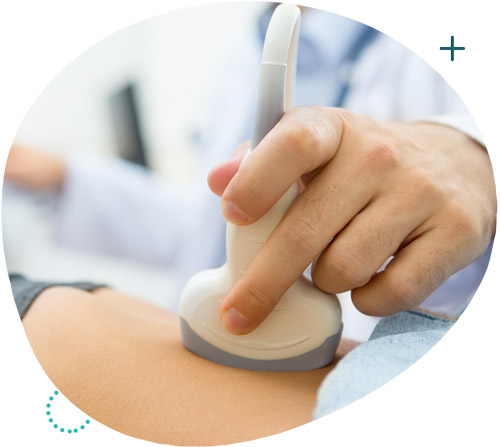
Gynaecological and obstetric scans (3D US, 4D US, Doppler US)

Urinary incontinence and pelvic prolapse treatment.

Prevention and treatment of gynaecological cancers. (International Guidelines)

Our services
Affiliated Hospitals
Affiliated Institutions
Office Hours
© Copyright 2024 Gynequipe. All right reserved

