GYNEQUIPE
Monday to Thursday18:00 - 22:00
AddressXenias 1 & Vassilissis Sofias, Ilisia
A pregnancy is considered safe when it progresses through the critical stages of development, minimizing the risk of complications for both mother and fetus. The concept of a “safe” pregnancy can vary based on a number of factors, including the mother’s overall health, medical history, and access to prenatal care. Here are some key considerations:
First Trimester: The first trimester, roughly the first 12 weeks, is a critical period when the fetus undergoes rapid growth. A safe pregnancy at this stage includes early prenatal care to monitor for issues such as ectopic pregnancy or miscarriage. Genetic testing and screening to assess the risk of chromosomal abnormalities may also be performed.
Second trimester: The second trimester (weeks 13-27) is often considered the safest period of pregnancy, as the risk of miscarriage is greatly reduced. Regular prenatal visits continue to monitor the baby’s development and the mother’s health. Many mothers-to-be begin to feel more comfortable during this time.
Third Trimester: The third trimester (weeks 28-40) is when the baby’s organs mature and the mother’s body prepares for labor. Close monitoring of blood pressure, gestational diabetes and other potential complications is essential. The gynecologist will also assess the baby’s position for delivery.
High-risk pregnancy: For pregnancies with preexisting medical conditions or complications that arise during pregnancy, such as preeclampsia or gestational diabetes, “safe” may mean closer and more specialized medical monitoring. High-risk pregnancies often require specialized care from obstetricians or neonatologists.
Prolonged pregnancy: If a pregnancy exceeds 41-42 weeks, it can be considered prolonged. In such cases, induction of labor may be recommended to reduce the risk of complications associated with a prolonged pregnancy.
Labor and Postpartum: A safe pregnancy extends to the labor and postpartum period. The gynecologist and proper facilities ensure a smooth and safe delivery experience.

Covering every aspect of a woman’s life

Minimally invasive surgery

One day diagnosis and treatment. (No touch, Diagnostic and Operative Hysteroscopy)

Personalized choice of treatment.
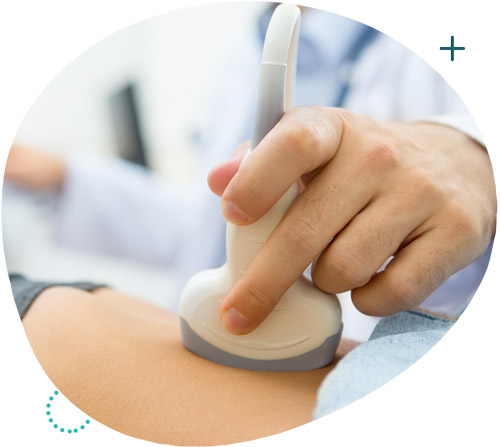
Gynaecological and obstetric scans (3D US, 4D US, Doppler US)

Urinary incontinence and pelvic prolapse treatment.

Prevention and treatment of gynaecological cancers. (International Guidelines)

Our services
Affiliated Hospitals
Affiliated Institutions
Office Hours
© Copyright 2024 Gynequipe. All right reserved

