GYNEQUIPE
Monday to Thursday18:00 - 22:00
AddressXenias 1 & Vassilissis Sofias, Ilisia
A healthy pregnancy is characterized by many positive signs and developments during the first trimester, which extends from conception to the end of the 12th week. These signs indicate that the pregnancy is progressing well and that the fetus is developing as it should. Here are some key indicators of a healthy first trimester pregnancy:
Missed period: One of the first signs of pregnancy is a missed period. A regular menstrual cycle that suddenly stops is often a positive sign.
Positive pregnancy test: A home pregnancy test can detect the presence of the hormone hCG (human chorionic gonadotropin) in the urine, confirming pregnancy.
Minimal morning sickness: While some nausea and vomiting, commonly referred to as morning sickness, can be expected, a healthy pregnancy usually involves mild to moderate symptoms rather than severe and persistent nausea.
Healthy weight gain: Gradual and moderate weight gain is typical during the first trimester, usually around 1-5 kg. Rapid or excessive weight gain can be a sign of other health problems.
Breast changes: Breasts may become tender, swollen or painful as they prepare to produce milk.
Fatigue: Feeling tired is common in the first trimester due to hormonal changes and increased metabolic demands. However, excessive fatigue may indicate other pathologies.
Stable mood: Hormonal fluctuations can affect mood, but stable emotional well-being is generally a positive sign.
Normal ultrasound: An early ultrasound, usually performed around week 6-8, can confirm the presence of a gestational sac and a fetal heartbeat, indicating proper development.
Healthy heartbeat: A strong and regular fetal heartbeat detected during prenatal checkups is a reassuring sign.
No excessive pain or bleeding: Occasional mild cramping is common as the uterus expands, but severe pain or heavy bleeding may indicate complications.
Healthy eating habits: A balanced diet that includes essential nutrients and prenatal vitamins is vital for fetal development.
Adequate hydration: Maintaining good hydration is vital for both the mother and the developing fetus.
Regular prenatal care: Consistent attendance at prenatal appointments and adherence to gynecologist recommendations is essential to monitor pregnancy progress and promptly address any complications.
Healthy lifestyle choices: Avoiding alcohol, tobacco, and drugs, as well as following a doctor-approved exercise routine, contribute to a positive pregnancy outcome.
Educational and Emotional Support: Seeking information, support from health professionals and emotional support from loved ones can help ensure a smooth and healthy pregnancy journey.
It is important to remember that every pregnancy is unique and experiences may vary. While these signs generally indicate a healthy pregnancy, any concerns or unusual symptoms should be discussed with a gynecologist immediately to ensure the best possible outcome for both mother and baby. Regular prenatal care and open communication with your gynecologist is key to a healthy pregnancy.

Covering every aspect of a woman’s life

Minimally invasive surgery

One day diagnosis and treatment. (No touch, Diagnostic and Operative Hysteroscopy)
Personalized choice of treatment.
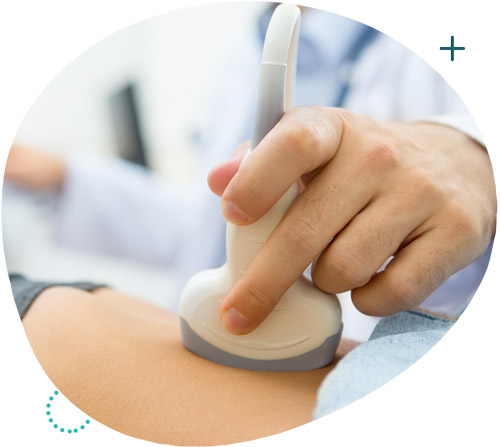
Gynaecological and obstetric scans (3D US, 4D US, Doppler US)

Urinary incontinence and pelvic prolapse treatment.

Prevention and treatment of gynaecological cancers. (International Guidelines)

Our services
Affiliated Hospitals
Affiliated Institutions
Office Hours
© Copyright 2024 Gynequipe. All right reserved

