GYNEQUIPE
Monday to Thursday18:00 - 22:00
AddressXenias 1 & Vassilissis Sofias, Ilisia
Pregnancy is a journey full of anticipation and joy, but it also comes with a host of questions and concerns, especially when it comes to the health of the developing baby. Fortunately, advances in medical technology have given expectant parents access to an invaluable tool called the Non Invasive Prenatal Test (NIPT).
This groundbreaking technique has revolutionized prenatal care by providing safer and more accurate ways to assess fetal health and detect birth defects.
NIPT is a state-of-the-art technique that has gained ground in recent years. It involves the analysis of tiny fragments of the baby’s DNA found in the mother’s blood, making it a non-invasive alternative to traditional invasive procedures such as amniocentesis and trophoblast sampling (CVS). This method involves zero risk as it is a simple blood draw, reducing the chances of complications such as infection or miscarriage associated with invasive prenatal tests.
One of the main benefits of NIPT is its remarkable accuracy in detecting common chromosomal abnormalities such as Down syndrome (Trisomy 21), Edwards syndrome (Trisomy 18) and Patau syndrome (Trisomy 13). Traditional methods of prenatal testing, such as maternal serum testing or cervical translucency ultrasound, may yield false positive results, causing unnecessary anxiety and invasive follow-up procedures. NIPT, on the other hand, boasts an impressive sensitivity rate of over 99%, ensuring that expectant parents receive reliable information about their baby’s chromosomes.
In addition, NIPT (non-invasive prenatal testing) can be performed as early as 10 weeks of pregnancy, allowing parents to gain valuable insights into their baby’s health much earlier than with traditional tests. This early detection is crucial as it gives parents plenty of time to make informed decisions about their pregnancy and prepare for any potential challenges.
NIPT also offers the possibility of identifying the baby’s sex, which can be an exciting time for many parents-to-be. Although sex determination is not the primary purpose of NIPT, it is a welcome bonus to continuing the pregnancy.
In addition, NIPT can help identify rare genetic conditions and microdeficiencies that might otherwise go unnoticed until birth. Early detection of these problems can enable parents and doctors to develop specialized care plans and interventions that optimize the baby’s health and quality of life.
Despite its numerous advantages, NIPT is not without limitations. It cannot diagnose all genetic disorders, and false-positive or false-negative results may occur, although rarely. In such cases, further diagnostic tests, such as amniocentesis or CVS (trophoblast retrieval), may be required to confirm or rule out any abnormalities. Additionally, NIPT is a screening tool, not a diagnostic test, so it can only estimate the risk of a particular condition rather than provide a definitive diagnosis.
In addition, in some rare cases for technical laboratory reasons, the result cannot be given reliably, for example when the amount of free fetal DNA in the mother’s blood is not enough.
Another challenge associated with NIPT (non-invasive prenatal testing) is its cost. Although the benefits of this technology are undeniable, it may not be accessible to everyone due to its relatively high price. However, as this technology advances and becomes more widespread, the cost has come down more and more which makes it more accessible to expectant parents.

Covering every aspect of a woman’s life

Minimally invasive surgery

One day diagnosis and treatment. (No touch, Diagnostic and Operative Hysteroscopy)

Personalized choice of treatment.
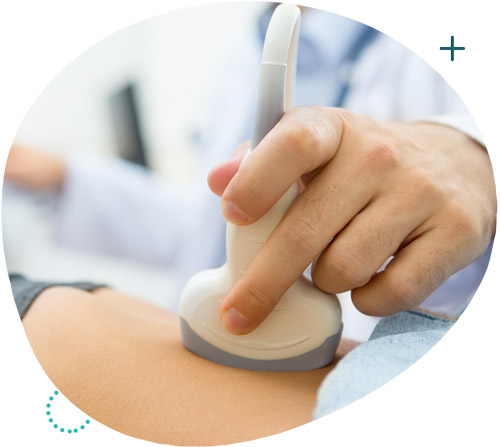
Gynaecological and obstetric scans (3D US, 4D US, Doppler US)

Urinary incontinence and pelvic prolapse treatment.

Prevention and treatment of gynaecological cancers. (International Guidelines)

Our services
Affiliated Hospitals
Affiliated Institutions
Office Hours
© Copyright 2024 Gynequipe. All right reserved

