GYNEQUIPE
Monday to Thursday18:00 - 22:00
AddressXenias 1 & Vassilissis Sofias, Ilisia
In recent years, natural childbirth after caesarean section is gaining ground worldwide.
We used to think that in the case of a caesarean, all future deliveries should also be by caesarean. Success rates for natural birth after cesarean section are around 75 to 80%.
The problem lies in the fact that the wall of the uterus after caesarean section is “weakened”, as scar tissue is created at the point of incision of the uterus, with reduced resistance. This point can rupture, with devastating consequences for the fetus and the mother, in a future pregnancy when the signs of labor appear.
However, studies show that this rate of uterine rupture after caesarean section is estimated at around 1%, which leaves room for the practice of normal delivery. But it is a decision that should be individualized for each case, as there are special conditions for such a decision to be made by the gynecologist and the woman.
Factors that should be taken into account are the reason and conditions of the previous cesarean, the weight and position of the fetus, as well as the ultrasound measurement of the thickness of the lower part of the uterus in the third trimester. These are pregnancies under close monitoring and even more so during labor.
The basic principle and condition for attempting natural labor is the spontaneous initiation of contractions at the end of pregnancy and the avoidance of prolonged labor (labor that does not progress quickly), while the possibility of emergency caesarean section is increased at any time. In addition, the use of a suction cup or forceps are more common.
Induction of labour is generally avoided although not strictly contraindicated.
Each case is individualized and the final decision for a VBAC is made with the consent of the gynecologist and the woman, as long as she has fully understood the risks of such a delivery.


Covering every aspect of a woman’s life

Minimally invasive surgery

One day diagnosis and treatment. (No touch, Diagnostic and Operative Hysteroscopy)
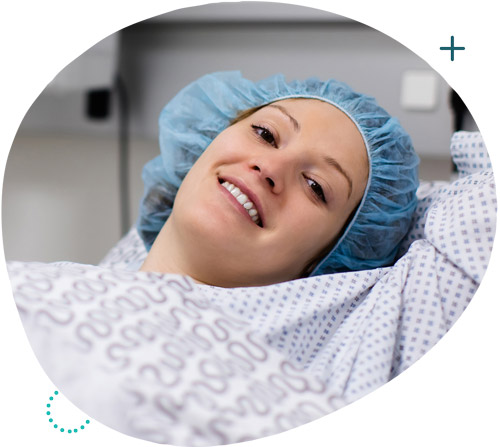
Personalized choice of treatment.
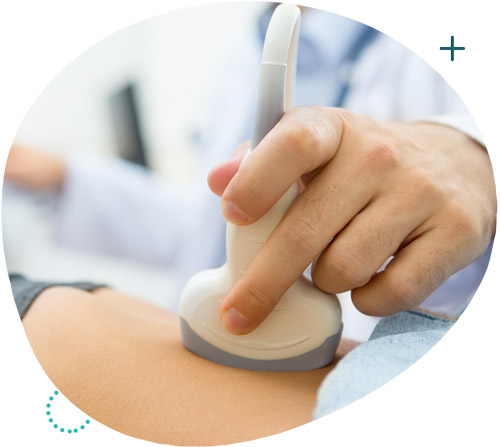
Gynaecological and obstetric scans (3D US, 4D US, Doppler US)

Urinary incontinence and pelvic prolapse treatment.

Prevention and treatment of gynaecological cancers. (International Guidelines)

Our services
Affiliated Hospitals
Affiliated Institutions
Office Hours
© Copyright 2024 Gynequipe. All right reserved

