GYNEQUIPE
Monday to Thursday18:00 - 22:00
AddressXenias 1 & Vassilissis Sofias, Ilisia
Caesarean section is the surgical procedure that is performed when normal delivery is not possible for any reason that affects the baby, the woman or both.
This is a transverse (horizontal) incision, usually just above the pubic symphysis, most often under epidural anesthesia.
In this way, all the layers of the abdominal wall (skin, subcutaneous tissue, fascia, muscles, peritoneum) are surgically opened to reach the uterus, which is also opened transversely to deliver the baby.
Once the baby is born, the placenta and membranes are removed, the uterus is sutured with absorbable sutures in two layers, and then we close the abdominal wall also with absorbable sutures in the same way we opened it.
Throughout the operation, the woman is conscious, does not feel any pain (just possibly some pulling due to the surgical manipulations) and takes the baby in her arms as soon as it is born.
In general, caesarean section is a very safe method of delivery, which has saved many lives of babies and women since it was routinely practiced after the advent of antibiotics in modern medicine.
However, it remains a surgical operation with potential complications, so indications should be followed based on the principles of medical science and natural vaginal delivery should be preferred whenever possible.
The reasons for caesarean section are divided into two categories, those concerning the baby and those concerning the woman.
The reasons concerning the baby are pathologies that require its immediate and quick birth, such as, for example, a hemorrhage, a placental abruption, severe prematurity, severe preeclampsia, alteration of heartbeats during childbirth, pelvic disproportion, etc.
Maternal reasons are any pathology that threatens the woman’s life and requires the immediate termination of the pregnancy. Such can be pulmonary embolism, pre-eclampsia, severe pneumonia, etc. In addition, the woman’s simple desire for a caesarean section, without a strictly medical reason, is now an indication of a caesarean section.
Complications can occur during or after a C-section, as with any surgery. Internal bleeding, infection of the surgical wound, fever, damage to the intestine, bladder, etc.
However, these are now uncommon complications that should not scare the pregnant woman.
The recovery is quite fast, since from the very next day the woman is mobilizing, eating normally, urinating normally. Bowel function usually returns after 48 hours, while the pain gradually fades day by day. Returning home can be done 48 hours later, depending on the circumstances, with the consent of the gynecologist. At home simple painkillers are enough to manage the abdominal pain and usually subside after a week.
The wound on the skin heals completely after 7-10 days under normal conditions. The sutures we use in the skin are usually absorbable and do not need to be removed. With the use of special waterproof bandages, the mother can take a shower without fear during this time.
After the 10 days the skin healing is complete, the wound area can now be left open and no patch is needed.
A common but harmless complication of C-section is numbness in the skin around the wound area. At this point, due to the incision, the nerve endings of the nerves of the skin are necessarily cut. However, after 6 months at the latest, this hypoesthesia, as it is called, is restored by itself.

Covering every aspect of a woman’s life

Minimally invasive surgery

One day diagnosis and treatment. (No touch, Diagnostic and Operative Hysteroscopy)
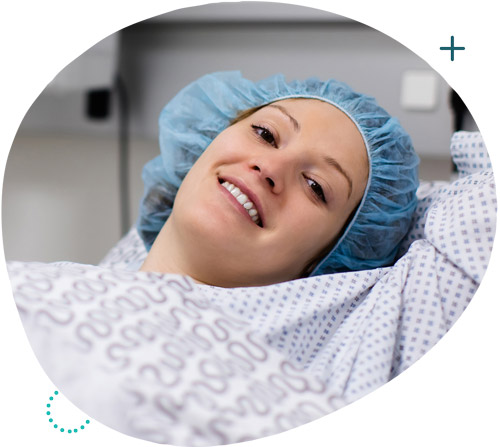
Personalized choice of treatment.
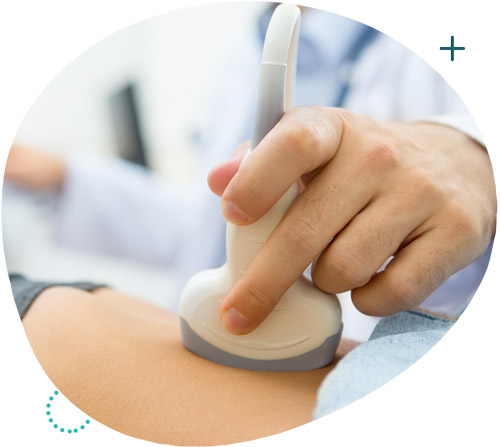
Gynaecological and obstetric scans (3D US, 4D US, Doppler US)

Urinary incontinence and pelvic prolapse treatment.

Prevention and treatment of gynaecological cancers. (International Guidelines)

Our services
Affiliated Hospitals
Affiliated Institutions
Office Hours
© Copyright 2024 Gynequipe. All right reserved

