GYNEQUIPE
Monday to Thursday18:00 - 22:00
AddressXenias 1 & Vassilissis Sofias, Ilisia
Pregnancy is a journey full of joy, anticipation and sometimes uncertainty. For couples, the health of their unborn child is of utmost importance. Prenatal screening plays a key role in ensuring a healthy pregnancy and early treatment of potential complications.
Prenatal screening includes a series of diagnostic tests performed during pregnancy to assess the health of both the fetus and the expectant mother. The primary goal is to detect any genetic, chromosomal or developmental abnormalities in the fetus. Early detection enables informed decision-making about pregnancy and allows parents and gynecologists to plan for the best possible outcome.
One of the most common prenatal tests is an ultrasound, which provides a look at the baby’s growth and development and can detect anatomical abnormalities. In addition, there are specialized tests such as amniocentesis and chorionic villus sampling (CVS), which analyze fetal cells and genetic material in the amniotic fluid or placenta, respectively, to detect genetic disorders such as Down syndrome or cystic fibrosis.
Ultrasound: This non-invasive test uses high-frequency sound waves to create real-time images of the fetus. It helps monitor the baby’s development, detect multiple pregnancies and evaluate the placenta and amniotic fluid.
Blood tests: These assess a number of factors, including the health of the mother and the risk of certain genetic conditions. A common blood test at the end of the first trimester combined with nuchal translucency measurement by ultrasound, measures markers such as Papp-a, and human chorionic gonadotropin (hCG) to assess the risk of chromosomal abnormalities.
Amniocentesis: This invasive test involves removing a small amount of amniotic fluid from the uterus. It is usually performed after 15-16 weeks of pregnancy and can detect chromosomal abnormalities with high accuracy.
Trophoblast retrieval (CVS): CVS is another invasive procedure that involves sampling placental tissue. It can be done earlier in pregnancy (usually between 10 and 13 weeks) and can detect chromosomal abnormalities with great accuracy.
Non-Invasive Prenatal Testing (NIPT): NIPT is a relatively new option that analyzes cell-free fetal DNA circulating in the mother’s blood. It is very accurate for detecting chromosomal abnormalities such as Down syndrome and can be done as early as 10 weeks into pregnancy.
While prenatal testing offers many benefits, it also presents emotional and ethical dilemmas for expectant couples. The information obtained from these tests can be life-changing, and decisions must be made about continuing the pregnancy in the event of a positive result for a serious genetic condition.
It is important for couples to receive comprehensive genetic counseling before undergoing prenatal testing. This counseling gives them the knowledge and support they need to make informed decisions about possible interventions. The emotional cost of receiving a positive result for a genetic disorder can be overwhelming and couples may need additional counseling and support during this time.
In addition, ethical issues surround the potential misuse of prenatal control for purposes such as sex selection or termination of pregnancy based on non-life-threatening conditions. Physicians and societies must ensure that prenatal care is used responsibly and in accordance with established ethical guidelines.

Covering every aspect of a woman’s life

Minimally invasive surgery

One day diagnosis and treatment. (No touch, Diagnostic and Operative Hysteroscopy)

Personalized choice of treatment.
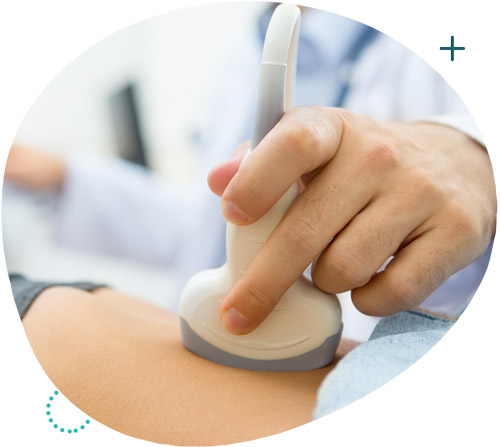
Gynaecological and obstetric scans (3D US, 4D US, Doppler US)

Urinary incontinence and pelvic prolapse treatment.

Prevention and treatment of gynaecological cancers. (International Guidelines)

Our services
Affiliated Hospitals
Affiliated Institutions
Office Hours
© Copyright 2024 Gynequipe. All right reserved

