GYNEQUIPE
Monday to Thursday18:00 - 22:00
AddressXenias 1 & Vassilissis Sofias, Ilisia
Toxoplasma gondii is a very common microorganism (parasite) which under normal conditions does not cause a problem in humans.
It can infect humans and animals after ingestion of Toxoplasma oocysts (eggs).
Usually monitoring in pregnancy is done by measuring IGM and IGG antibodies in the mother’s blood. If the mother is immune, then she is protected, although there is always the possibility of re-infection, which does not create a problem for the fetus.
In more than 80% of cases, the primary infection is asymptomatic, that is, the mother does not show any problem.
If a symptom occurs, it is usually mild and non-specific: fever, chills, sweating, headache, myalgia, pharyngitis, redness of the skin. Febrile symptoms usually last 2-3 days.
In addition, lymphadenopathy (swelling of the lymph nodes in the neck) can occur, but also in the whole body, which can last for weeks. Rarely inflammation of the eyes (uveitis) can also occur but usually occurs in case of re-infection. These symptoms are more intense in immunocompromised mothers.
In Europe and north America, infections are less frequent and with milder symptoms than in the rest of the world.
The cat and felines (definitive hosts) are the only animals in which the parasite completes its life cycle, resulting in the shedding of its immature oocysts from the cat’s faeces over a period of 10-20 days (immature oocysts mature and can infect animals and humans, after remaining in the external environment for 2-4 days).
The main source of transmission to humans in developed countries is meat from infected animals, as well as fruits and vegetables eaten raw or incompletely washed.
There is no direct human-to-human transmission, except intrauterine transmission. Cysts in the carcass tissues remain infectious as long as the meat remains uncooked.
The frequency of fetal involvement is related to the stage of pregnancy during the mother’s illness. However, the severity of fetal infection is inversely proportional to the time of infection.
More specifically, in case of primary infection of the mother, the possibility of affecting the fetus is:
Of the affected fetuses, only 25% of them show obvious ultrasound findings.
The tissues that are mainly affected in the fetus are the brain and the eyes with possible damage such as mental retardation, deafness, blindness, epilepsy, hydrocephalus, etc. For a mother, who is not immunized for toxoplasma, the rate of seroconversion (change in antibodies in the mother’s blood test) during pregnancy is estimated to be around 1%, while if the mother is immunized before pregnancy, then the fetus is not at risk.
Prenatal testing is possible in case of seroconversion as well as treatment.
In case of seroconversion, after 14 weeks, oral pyrimethamine-sulfadiazine-folinic acid treatment is administered to the mother which usually lasts until delivery. If seroconversion occurs earlier than 14 weeks then treatment with spiramycin is given and after 14 weeks the treatment with the above regimen is continued.
To confirm the diagnosis of whether the fetus is affected or not, an amniocentesis is performed, at least 2 weeks after seroconversion and after 18 weeks of pregnancy.
Consequently, great attention must be paid to prevention.
So non-immunized (without immunity) mothers should take care of the following:
To wash their hands thoroughly
They must avoid eating meat that is not very well cooked (raw and medium are prohibited).
They must thoroughly wash all raw fruits and vegetables and should avoid them in restaurants where the washing may not always be optimal.
Finally, contact with cats, especially strays, should be avoided. If there is a pet cat in the house, another member of the family should deal with its cleaning.

Covering every aspect of a woman’s life

Minimally invasive surgery

One day diagnosis and treatment. (No touch, Diagnostic and Operative Hysteroscopy)

Personalized choice of treatment.
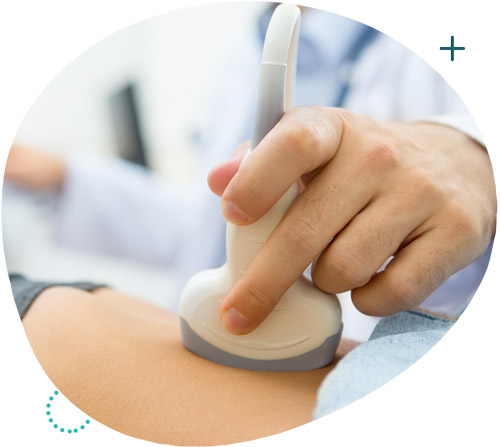
Gynaecological and obstetric scans (3D US, 4D US, Doppler US)

Urinary incontinence and pelvic prolapse treatment.

Prevention and treatment of gynaecological cancers. (International Guidelines)

Our services
Affiliated Hospitals
Affiliated Institutions
Office Hours
© Copyright 2024 Gynequipe. All right reserved

