GYNEQUIPE
Monday to Thursday18:00 - 22:00
AddressXenias 1 & Vassilissis Sofias, Ilisia
Preeclampsia is a serious and potentially life-threatening medical condition that can occur during pregnancy, usually after the 20th week. It is characterized by high blood pressure (hypertension) and damage to one or more organs, most commonly the liver and kidneys. While the exact cause of preeclampsia is not fully understood, it is thought to be related to problems with the placenta and the mother’s immune system.
One of the main indicators of preeclampsia is increased blood pressure (blood pressure over 14/9) and loss of protein in the urine (over 300mg/24h) which can lead to a range of symptoms such as headaches, blurred vision, swelling hands, feet and face. Other signs may include abdominal pain, nausea, vomiting and shortness of breath. In severe cases, preeclampsia can develop into a more dangerous condition called eclampsia, characterized by seizures.
An emergency requiring immediate delivery is the HELLP syndrome (Hemolysis-Elevated Liver enzymes-Low Platelet count).
Preeclampsia in pregnancy can have serious consequences for both mother and baby. It can lead to complications such as organ damage, stroke and even death of the mother. In addition, it can restrict blood flow to the placenta, which can affect the baby’s development.
The main treatment for preeclampsia is to manage the condition and prevent it from getting worse. This often involves close monitoring of blood pressure and other vital signs, bed rest, and medication to lower blood pressure. In severe cases, delivering the baby may be necessary, even if it means premature delivery. If the conditions are favorable and the pathology is of a mild form, vaginal delivery can also be attempted with the induction of contractions. Otherwise, caesarean section is necessary. In case of prematurity (less than 37 weeks), administration of cortisone preparations to the mother 48 hours before delivery is required to reduce the risk of respiratory distress of the baby at birth.
To reduce the risk of preeclampsia, prenatal care is vital. Regular check-ups at the gynecologist can help in early detection and management of the condition.
Women at higher risk, such as those with a history of preeclampsia, diabetes, chronic hypertension, lupus erythematosus, kidney disease, obesity, multiple pregnancies, first pregnancy, mothers older than 35 years, may receive extra care and monitoring during pregnancy.
This includes the administration of low-dose aspirin (80-150 mg) daily until the end of pregnancy and close ultrasound and clinical control.
In conclusion, preeclampsia is a serious complication of pregnancy that can have devastating consequences if not treated properly. Early detection and careful monitoring are essential to ensure the health of both mother and baby. Pregnant women should seek advice and report any relevant symptoms to their gynecologist immediately to reduce the risks associated with preeclampsia.

Covering every aspect of a woman’s life

Minimally invasive surgery

One day diagnosis and treatment. (No touch, Diagnostic and Operative Hysteroscopy)
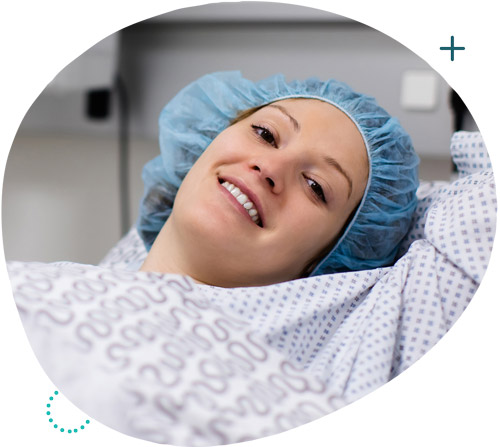
Personalized choice of treatment.
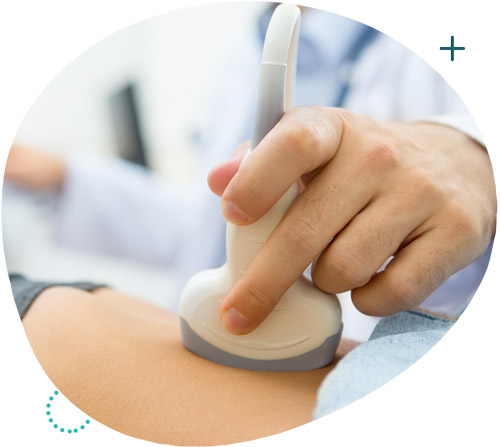
Gynaecological and obstetric scans (3D US, 4D US, Doppler US)

Urinary incontinence and pelvic prolapse treatment.

Prevention and treatment of gynaecological cancers. (International Guidelines)

Our services
Affiliated Hospitals
Affiliated Institutions
Office Hours
© Copyright 2024 Gynequipe. All right reserved

