GYNEQUIPE
Monday to Thursday18:00 - 22:00
AddressXenias 1 & Vassilissis Sofias, Ilisia
Placental abruption is a pregnancy condition that can occur throughout its duration and can be life-threatening to the fetus and the mother. As the word says at some point the placenta “detaches” from the uterus, so that the exchanges and oxygen between the mother and the fetus do not take place as they should.
Depending on the extent of the detachment, the cause and the stage of pregnancy, treatment is conservative ( early pregnancy: rest) or invasive (emergency caesarean).
In the 1st trimester (up to 12-13 weeks), a detachment is relatively common and does not necessarily mean that the outcome will not be good. Most of the time, things go smoothly and a healthy baby is born.
he reasons are usually unexplained and have to do with the implantation of the embryo in the uterus and the age of the woman, and more rarely due to an infection.
The symptoms of placental abruption are painless vaginal bleeding usually with red or brown blood or no symptoms at all. In more severe cases, uterine spasms may also occur. The diagnosis is made sonographically by the gynecologist, recognizing the detachment zone on the placenta (trophoblast).
In these cases it is recommended to rest the patient for a few days, abstaining from activities and work, until the blood stops. Usually the gynecologist will recommend taking medication (progesterone, magnesium) in an effort to boost the natural progesterone of pregnancy and calm potential uterine contractions.
Once the blood has stopped for 48 hours, the woman can gradually regain her activity and continue her pregnancy normally.
The causes are many of which the most common are high blood pressure, preeclampsia, violent injury.
Symptoms are severe pain in the abdomen and vaginal bleeding (not always). This is a serious and urgent pregnancy situation that must be treated immediately because the life of the baby and the woman is at risk.
Depending on the extent of the detachment, the cause and the gestational age, the treatment differs. In case of large detachment then the appropriate treatment is the termination of the pregnancy by caesarean section usually, while the prognosis for the health of the baby depends on its term.

Williams Obstetrics

Covering every aspect of a woman’s life

Minimally invasive surgery

One day diagnosis and treatment. (No touch, Diagnostic and Operative Hysteroscopy)

Personalized choice of treatment.
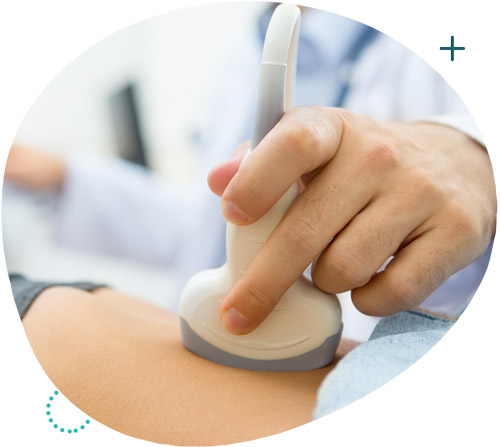
Gynaecological and obstetric scans (3D US, 4D US, Doppler US)

Urinary incontinence and pelvic prolapse treatment.

Prevention and treatment of gynaecological cancers. (International Guidelines)

Our services
Affiliated Hospitals
Affiliated Institutions
Office Hours
© Copyright 2024 Gynequipe. All right reserved

