GYNEQUIPE
Monday to Thursday18:00 - 22:00
AddressXenias 1 & Vassilissis Sofias, Ilisia
Epidural analgesia (anesthesia) in obstetrics, has in recent years radically changed the management of pain and the experience of childbirth of the mother.
The mother can now live as a pleasant and painless experience the whole process of childbirth, participating at the same time in the birth of her child until the end.
The placement of the catheter through which the anaesthetic drugs are channeled is done once at the beginning of labor, before the pains become very intense and comes out after the end of Labor. It is a process which, with good cooperation from the patient, is not particularly laborious.
With the epidural, the mother can feel the contractions to a certain extent without pain, usually maintains the mobility of the lower extremities and actively participate in the last stage of labor.
After local anesthesia on the skin of the lower back with a small needle, a plastic catheter is inserted into the epidural space.
Anaesthetic drugs, which do not affect the foetus as they are not given intravenously, are channelled through a small plastic catheter into the epidural space, thereby anaesthetising the various nerves that pass through it. The epidural space in the spine is the space surrounding the dura mater. The catheter is placed through a small needle, between two vertebrae low in the back. There is no risk of spinal cord injury since the catheter passes much lower than where the spinal cord ends. With this technique there is constant control of pain, the mother is calm and cooperative, the newborn is not burdened with general anesthesia, while a caesarean section can be performed at any time with the same anesthesia if needed.
An uncommon but known side effect of epidural is headaches, which are harmless and last 2 to 8 days. In these cases, the anesthesiologist will help with various techniques to stop the pain (hydration, painkillers, blood patch). Also sometimes mild back pain may persist for a few days near the catheter site but is transient and without creating any future problem.
Contraindications for epidural analgesia have mothers with hemostasis problems, low platelets, inflammation in the area or some previous surgery on the spine. Epidural is the safest and most widespread obstetric analgesia technique at the moment, it is applied by specialized anesthesiologists and should not in any case scare expectant mothers.


Covering every aspect of a woman’s life

Minimally invasive surgery

One day diagnosis and treatment. (No touch, Diagnostic and Operative Hysteroscopy)

Personalized choice of treatment.
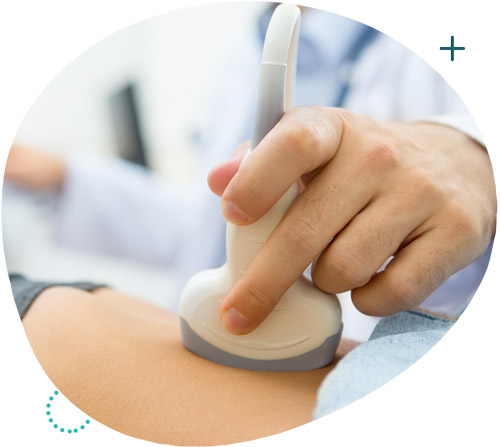
Gynaecological and obstetric scans (3D US, 4D US, Doppler US)

Urinary incontinence and pelvic prolapse treatment.

Prevention and treatment of gynaecological cancers. (International Guidelines)

Our services
Affiliated Hospitals
Affiliated Institutions
Office Hours
© Copyright 2024 Gynequipe. All right reserved

