GYNEQUIPE
Monday to Thursday18:00 - 22:00
AddressXenias 1 & Vassilissis Sofias, Ilisia
Pregnancy is a period of a woman’s life characterized by numerous physical and hormonal changes in a woman’s body. While these changes are necessary for the baby’s development, they can also lead to various inconveniences and health problems. A common problem faced by many pregnant women is reflux or commonly heartburn.
Hormonal changes: during pregnancy, hormonal fluctuations may relax the lower esophageal sphincter (LES), a muscle ring that separates the stomach from the esophagus. This relaxation can allow stomach acid to flow back into the esophagus, causing reflux and heartburn.
Stomach pressure: as the baby grows, it puts increasing pressure on the abdominal cavity and stomach. This pressure can push the contents of the stomach up into the esophagus, leading to reflux.
Increased gastric volume: pregnancy often leads to increased gastric (stomach) volume due to hormonal changes and slowing digestion. This increased volume can contribute to reflux.
Eating habits: eating large meals, spicy or acidic foods, or drinking fizzy drinks can exacerbate reflux during pregnancy.
Dietary modifications: make dietary changes to reduce the likelihood of regression. Prefer smaller, more frequent meals to avoid stomach overload. Avoid spicy, acidic and fatty foods that can cause reflux. In addition, try not to lie down immediately after eating. Instead, stay upright for at least 2-3 hours after meals.
Hydration: stay adequately hydrated, but avoid consuming large amounts of fluid with meals. Drinking fluids while eating can increase stomach pressure, contributing to reflux.
Raise your upper body: raise the head of your bed or use extra pillows to keep your upper body slightly raised while you sleep. This position can help prevent stomach acid from flowing into the esophagus.
Avoid tight clothing: tight clothing, especially around the abdomen, can put pressure on the stomach and worsen reflux. Choose loose, comfortable clothes during pregnancy.
Antacids: if your reflux is mild and rare, antacids may provide relief. However, consult your gynecologist before using any medication during pregnancy.
In more severe cases, your gynecologist may prescribe medications such as proton pump inhibitors (PPIs) or H2 receptor antagonists to reduce stomach acid production. These should only be used under medical supervision.
Lifestyle modifications: consider making lifestyle changes, such as avoiding smoking, reducing stress, and regular, gentle exercise. These can help relieve reflux and promote overall health during pregnancy.
Reflux during pregnancy is a common discomfort caused by hormonal changes, increased gastric volume and pressure in the stomach. Although it can be difficult to manage, adopting diet and lifestyle modifications can provide significant relief. Always consult your gynecologist for personalized advice, especially if your symptoms are severe or persistent. Remember that pregnancy is a unique journey for every woman and with proper care and management, you can live it as comfortably as possible.

Covering every aspect of a woman’s life

Minimally invasive surgery

One day diagnosis and treatment. (No touch, Diagnostic and Operative Hysteroscopy)

Personalized choice of treatment.
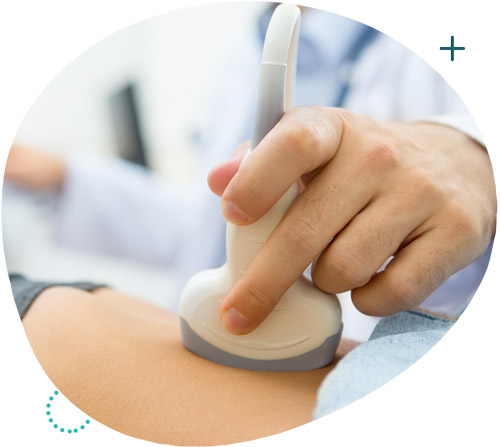
Gynaecological and obstetric scans (3D US, 4D US, Doppler US)

Urinary incontinence and pelvic prolapse treatment.

Prevention and treatment of gynaecological cancers. (International Guidelines)

Our services
Affiliated Hospitals
Affiliated Institutions
Office Hours
© Copyright 2024 Gynequipe. All right reserved

