GYNEQUIPE
Monday to Thursday18:00 - 22:00
AddressXenias 1 & Vassilissis Sofias, Ilisia
Pregnancy is a normal period in a woman’s life. However, it can bring about various physical changes and possible complications. One of the most worrying problems that pregnant women can face is bleeding during pregnancy. Although it can be a source of stress, it is necessary to understand that not all bleeding during pregnancy is a sign of a serious problem.
Implantation bleeding: one of the first signs of pregnancy is bleeding during implantation. This occurs when the fertilized egg attaches to the uterine wall, which can lead to mild vaginal hemorrhea with red and/or brownish spots. Bleeding from implantation usually occurs around the time of your expected period and is generally light and short-lived.
Hormonal changes: hormonal fluctuations during pregnancy can make the cervix become more sensitive and prone to bleeding. This can lead to bleeding after sexual intercourse or examination of the cervix.
Hypochoric hematoma: hypochoric hematoma is a collection of blood between the wall of the uterus and the chorion (the outer membrane surrounding the fetus). It can cause bleeding during pregnancy and is associated with an increased risk of miscarriage in some cases.
Ectopic pregnancy: when a fertilized egg implants outside the uterus, usually in the fallopian tube, it can lead to an ectopic pregnancy. Symptoms can include abdominal pain and vaginal bleeding, which can be intense and accompanied by intense cramps. Ectopic pregnancy is a medical emergency and requires immediate treatment.
Miscarriage: miscarriage, also known as retrograde pregnancy, is the loss of a pregnancy before the 20th week. It often occurs with heavy bleeding, abdominal pain and passage of wells or tissue. If you suspect a miscarriage, seek medical attention immediately.
Molar pregnancy: it is a rare condition where an abnormal growth develops in the womb instead of a fetus. This can cause vaginal bleeding and may require medical intervention to remove the abnormal tissue.
Placental problems: placental problems, such as placenta previa (when the placenta covers part or all of the cervix) or placental abruption (the premature separation of the placenta from the uterine wall), can lead to bleeding during pregnancy. Both conditions are serious and require immediate medical attention.
The symptoms associated with bleeding during pregnancy may vary depending on the underlying cause. However, common signs to look out for include:
Vaginal bleeding: this can range from light spots to heavy bleeding, similar to menstruation.
Abdominal pain or cramps: some women feel mild discomfort, while others may have severe cramps or abdominal pain.
Passage of blood clots or tissue: passage of blood clots or tissue may indicate miscarriage or another serious problem.
If you experience bleeding during pregnancy, είναι σημαντικό να επικοινωνήσετε αμέσως με τον γυναικολόγο. Although not all cases of bleeding are emergency, some can be life-threatening for both you and your baby. Here are some guidelines for when to seek help:
Any amount of bleeding during pregnancy should be reported to the gynecologist.
If the bleeding is intense, continuous, or accompanied by severe abdominal pain, seek medical attention urgently.
If you have a history of ectopic pregnancy or problems with the placenta, tell the gynecologist immediately.
If you experience bleeding after the 20th week of pregnancy, it may be associated with complications such as placenta previa or placental abruption and should be evaluated immediately.
Bleeding during pregnancy can be scary, but it’s important to remember that not all cases have negative outcomes. Direct communication with the gynecologist is vital to determine the cause and severity of bleeding and to ensure the health of both mother and baby. While some causes of bleeding may resolve on their own, others may require medical intervention.

Covering every aspect of a woman’s life

Minimally invasive surgery

One day diagnosis and treatment. (No touch, Diagnostic and Operative Hysteroscopy)

Personalized choice of treatment.
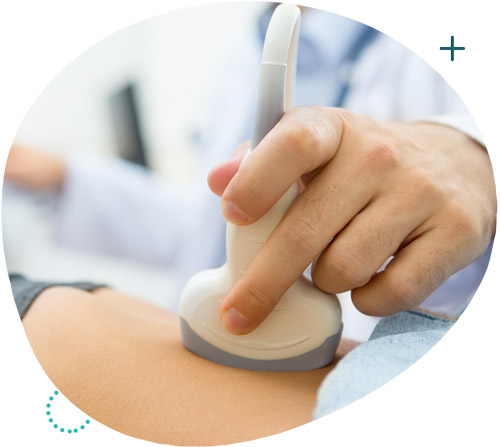
Gynaecological and obstetric scans (3D US, 4D US, Doppler US)

Urinary incontinence and pelvic prolapse treatment.

Prevention and treatment of gynaecological cancers. (International Guidelines)

Our services
Affiliated Hospitals
Affiliated Institutions
Office Hours
© Copyright 2024 Gynequipe. All right reserved

