GYNEQUIPE
Monday to Thursday18:00 - 22:00
AddressXenias 1 & Vassilissis Sofias, Ilisia
Pregnancy is a beautiful and normal period of a woman’s life, but it also brings with it physical changes, discomforts and worries. A common problem faced by some expectant mothers is cramps during pregnancy. While cramps can be worrying, it’s important to remember that not all cramps cause problems during pregnancy.
Cramps can sometimes occur during the early stages of pregnancy when the fertilized egg attaches to the inside of the uterus. These cramps are usually mild and are often confused with period cramps.
Uterine growth: As pregnancy progresses, the uterus expands to accommodate the growing fetus. This growth can cause mild to moderate cramping, especially in the second and third trimesters.
Round ligament pain: The round ligaments, which support the uterus, can stretch and cause pain in the lower abdomen. These cramps are usually felt on one or both sides of the abdomen and are common during the second trimester.
Braxton-Hicks contractions: Often referred to as “practice contractions,” Braxton-Hicks contractions can cause cramping in the later stages of pregnancy. They are usually irregular, less painful than actual labor contractions, and can be caused by dehydration, activity, or a full bladder.
Gas and constipation: Hormonal changes during pregnancy can slow digestion, leading to gas and constipation. This can cause abdominal discomfort and cramping.
Miscarriage: Unfortunately, cramping can be a sign of miscarriage. If cramps are accompanied by heavy bleeding and passage of tissue from the vagina, it is necessary to immediately consult a gynecologist.
Premature labor: In some cases, cramping can indicate premature labor. These contractions are regular, becoming more frequent and accompanied by other signs such as pelvic pressure and back pain.
While most cramps during pregnancy are harmless, it’s important to be aware of the signs that could indicate a more serious problem.
Contact your gynecologist if you experience the following:
Severe or prolonged pain: If cramping is severe, lasts for a long time, or gets progressively worse, it may be cause for concern.
Bleeding: Any vaginal bleeding during pregnancy, especially if heavy, should be evaluated by a gynecologist.
Leaking fluid: If you notice a sudden loss of fluid from your vagina, this may be a sign that your waters have broken. Contact your gynecologist immediately.
Decreased fetal movement: If you notice a decrease in your baby’s movements, contact your gynecologist immediately.
Rest: When you feel cramps, take a break and lie on your left side. This position can relieve pressure on the inferior vena cava, improving blood flow to your uterus and baby.
Stay hydrated: Dehydration can make cramps worse. Drink plenty of water throughout the day to stay well hydrated.
Pelvic exercises: Gentle pelvic tilts and stretches can help relieve some cramping and discomfort.
Warm compress: Applying a warm compress to your lower abdomen can provide relief from cramping.
Avoid vigorous physical activity and heavy lifting. Listen to your body and rest as needed.
In addition, the use of oral magnesium can ease the symptoms of discomfort.
Cramps during pregnancy are often a normal phenomenon, but it is necessary to distinguish between harmless discomfort and potentially serious problems. Always consult your gynecologist if you have concerns about cramps or other pregnancy-related symptoms.
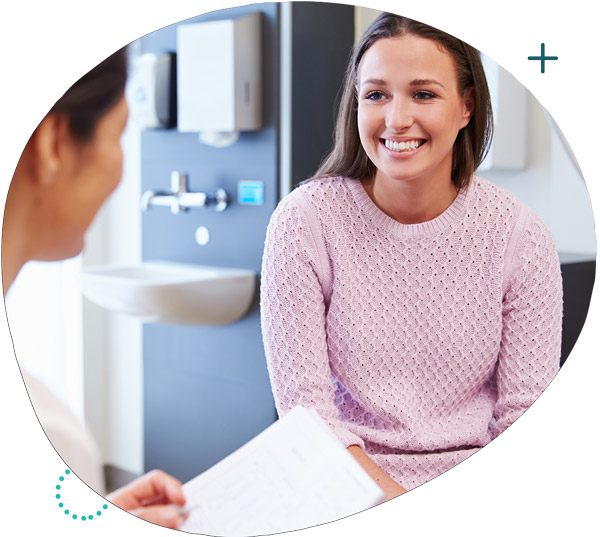
Covering every aspect of a woman’s life

Minimally invasive surgery

One day diagnosis and treatment. (No touch, Diagnostic and Operative Hysteroscopy)

Personalized choice of treatment.
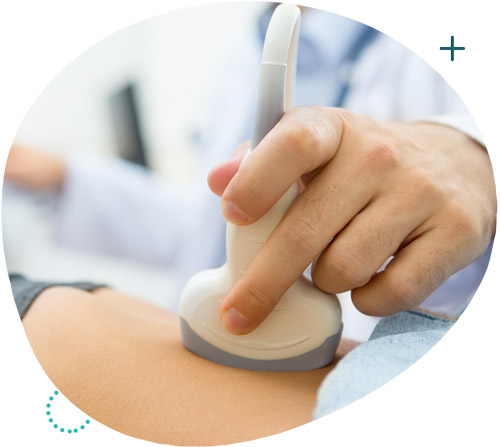
Gynaecological and obstetric scans (3D US, 4D US, Doppler US)
Urinary incontinence and pelvic prolapse treatment.

Prevention and treatment of gynaecological cancers. (International Guidelines)

Our services
Affiliated Hospitals
Affiliated Institutions
Office Hours
© Copyright 2024 Gynequipe. All right reserved

